
STEEP — Technology

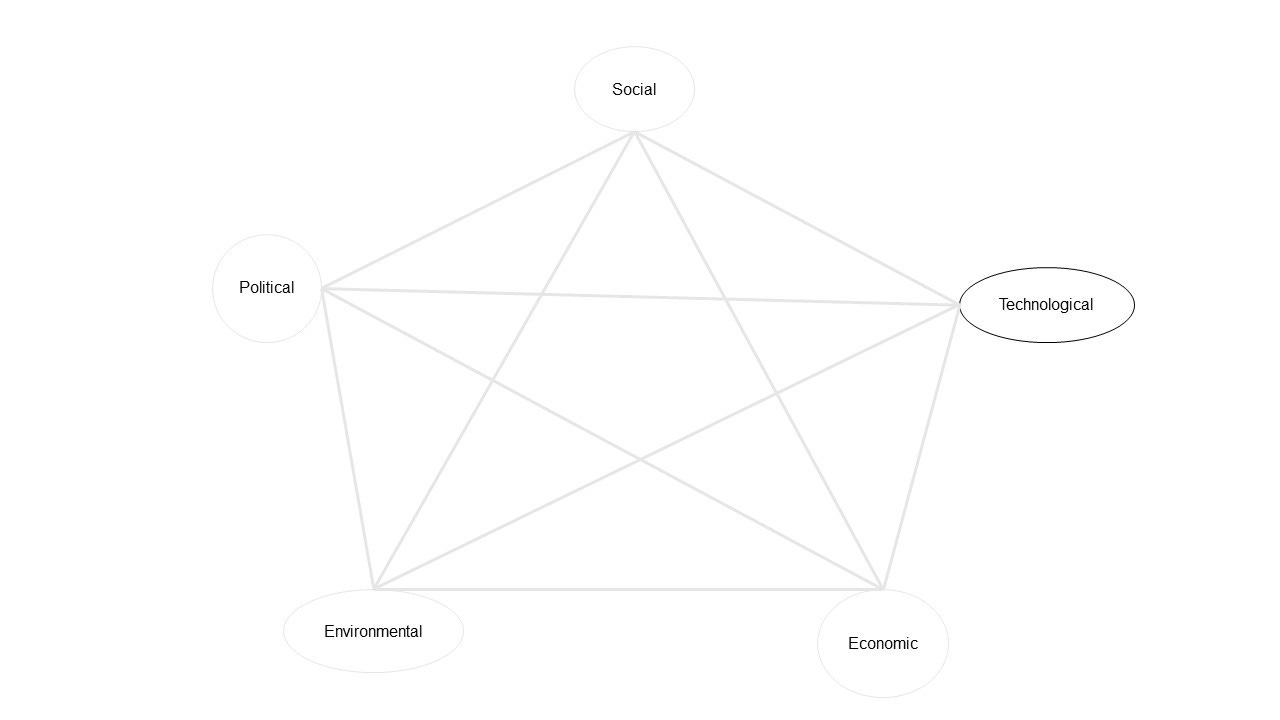
Technology is obviously a major theme in foresight work. Much of the changes in the world have indeed come from advances in technological development.
First of all, a cautionary note: it is easy to be dazzled by technological developments. It is extremely important in foresight not to take technological development as givens, nor to make them decisive in scenarios.
Things that Didn’t/Haven’t Quite Work Out
There is at least three examples of technology that had seemed inevitable but now seemed longer than expected.
The first example is the driverless cars. The dream of unmanned and better driving was touted from the start of the driverless car development — ever since teams completed the DARPA grand challenge in 2008. 2020 has come and gone, and widespread adoption of unmanned cars is still distant.
The second example is virtual reality. Virtual reality headsets are available, but they are still not widely catching on due to their high costs and the need for supporting hardware, and also content. Yet virtual reality headsets have been in development for decades. The VR ecosystem looks promising but it will still take time.
The last example has been cited so widely but it might be genuinely turning the corner, but widespread adoption will still remain decades way. Fusion power for electricity has taken much longer than expected, as scientists continue to figure out turbulent plasma physics. Fusion power has “turned the corner” in the sense that the challenges appear to be “engineering” related rather than scientific — a way to say that harnessing fusion power is a strained possibility. Fusion efforts around the world are trying to get fusion power to work, and we hope they do, for the sake of climate.
So having dispelled you of the inevitability of technology — or at least how much delayed they can be, I will briefly go through major technological domains that I think about and how I group them, and one or two fascinating developments.
Digital
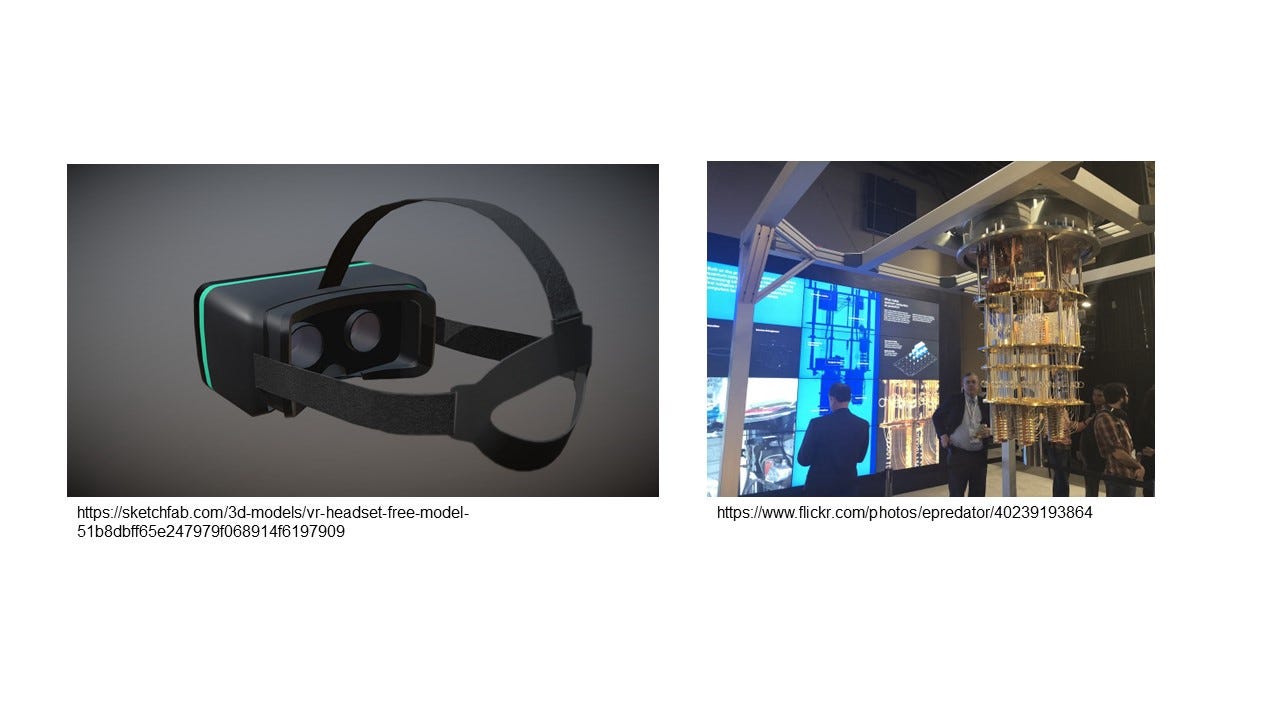
The first one is digital technologies — the devices that we have. The iPhone had changed our lives, and continues to do so. We are waiting for extended reality technologies, of which VR was one of them. Augmented Reality might have a better chance of changing our world — they are already in some industries. Quantum information technologies are really fascinating — they might become a new backbone through quantum key distribution technologies.
There is of course, the prospect of quantum computers, but the physical constraints of quantum systems having to take place at really cold temperatures means that they will remain niche facilities for now by large organisations able to suport them.
Other things that are emerging are post-silicon candidates — what replaces silicon as the substrate for computation; another question is sub-nanometre computation — what’s going to be needed for that to happen.
The miniaturisation of technologies would also be important. I used to remember the notion of “smart dust” — small computing materials that could be interspersed into the environment like dust, and make the environment computable and interact-able. Smart environments would be a game changer in many circumstances.
Biological and Health Sciences
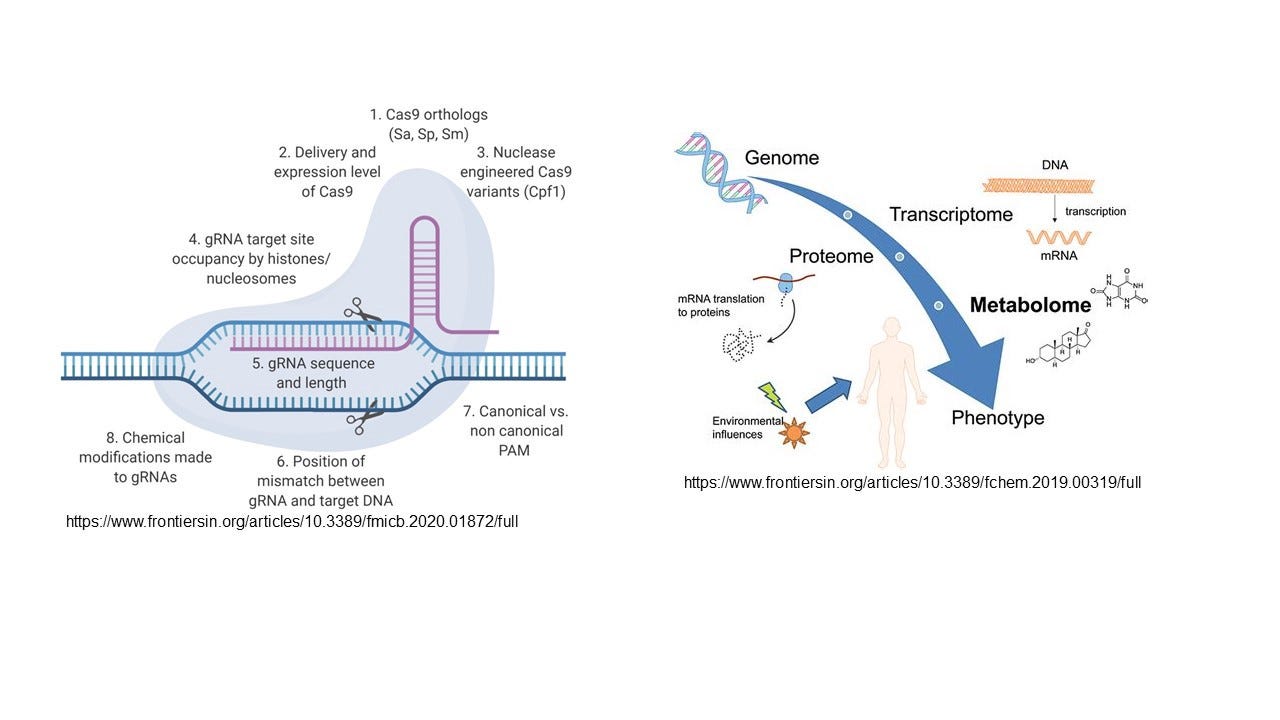
The second domain is in biological and health sciences, and blends with computational technologies. The various -omics — proteomics, transcriptomics, metabolomics, might become more important. Proteomics is about understanding how proteins are produced, function, change, transformed, and broken down in the body. Transcriptomics is about RNA processes that regulate the expression of a gene. Metabolomics looks at the various molecules involved in cellular metabolism. These are important areas of work in biology as we figure out how human health looks like at the cellular and molecular level. Then there’s things like CRISPR — the genetic precision cut-and-paste mechanism that offers the promise of genetically-customised treatment.
I’m waiting for breakthroughs in our understanding of various neurodegenerative diseases — Parkinson’s, Alzhemier’s and various dementia. I’m waiting for more breakthroughs in cancer treatment, following the use of immnunotherapies.
A health issue is drug-resistant pathogens. It is a big deal, and policymakers are looking at it. Hopefully this can be addressed sufficiently.
All of these are going to have impacts on human longevity. Human life expectancies are increasing at about 3 months every year. Is there an upper limit on our lives, given the advances in the areas above? That is an intriguing question.
I’m also looking at developments in agriculture to adapt to the changing climate. Salt-and/or-drought resistant plants; cows that don’t fart methane; non-animal based protein are significant developments.
Away from human health, CRISPR and other gene-editing techniques are intriguing for their potential use in various industrial chemical processes. Could we have bacteria that could suck up carbon dioxide from the air, and produce fuels that would be net-zero? Could we use other microorganisms that could produce biodegradable plastics? Could we change the entire paradigm from industry — from thermodynamics to biological processes?
Materials
The third domain would be what I would call, materials — the kinds of stuff that undergird our material existence — better materials science and engineering. Better cement and concrete, with lower carbon dioxide emissions, would be important. More efficient steel mills would also be important. We are also looking at other holy grails, such as macro-scale graphene and room-temperature-pressure superconducting materials that would change the material basis of the world, if they are possible.
Energy
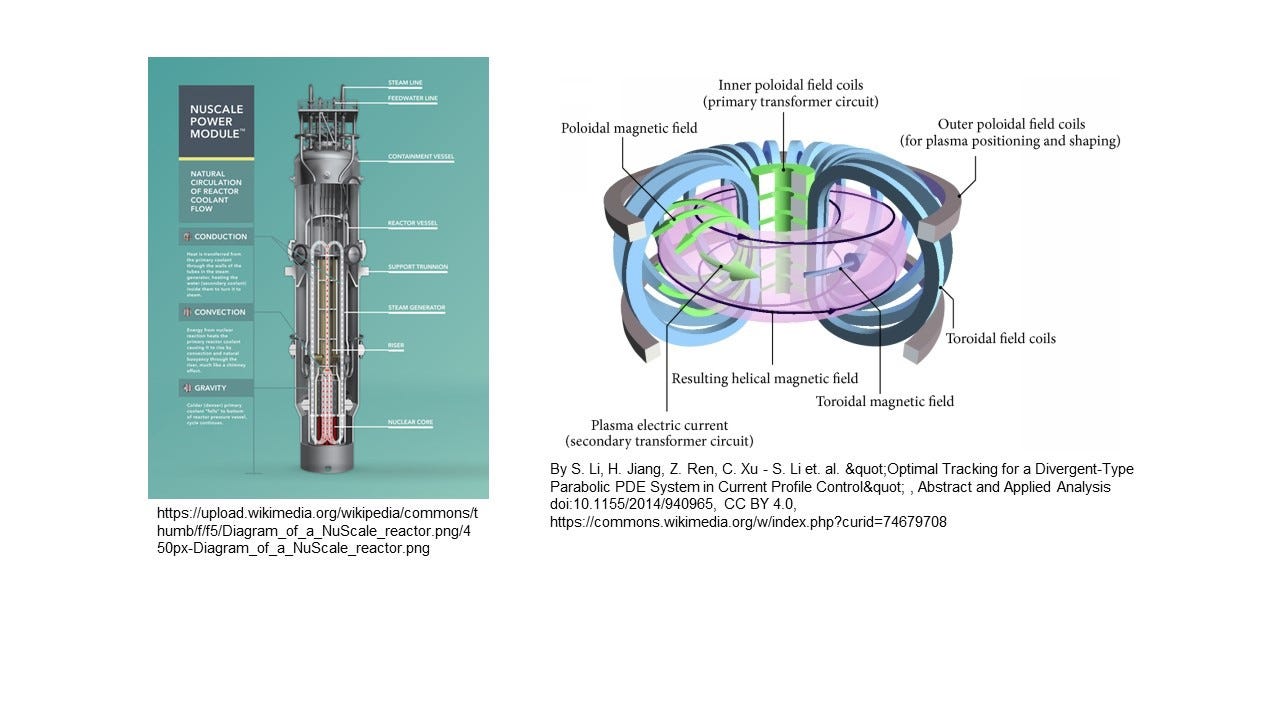
I usually carve out a fourth area looking at energy-related developments — more recently, its been about fusion energy, and the promise of that; also passive-safe nuclear energy plants that are “walk-away safe” — in the event of potential disaster, operators walk away and the nuclear material somehow stops its fission reactions. Batteries are also in this category, looking at the various chemical possibilities other than lithium-ion.
The energy revolution we need to undergo will involve hardware and more computation too, as grids have to look at intermittent supplies and different sources.
A Reminder Not To Be Dazzled
This is it, a short whirlwind tour of the various technologies I look at, and some of the areas that I’m “anticipating” breakthroughs in. It cannot be overemphasised though, that as much as technology has been a social-revolutionary force, we must remember that societies/civilisations/social units and technologies really co-develop together. Other factors do play an important role and can determine whether some technologies fulfill their potential or become a technical dead-end.